
Water Curtain Art and Technology Integration: Creating New Immersive Environmental Experiences
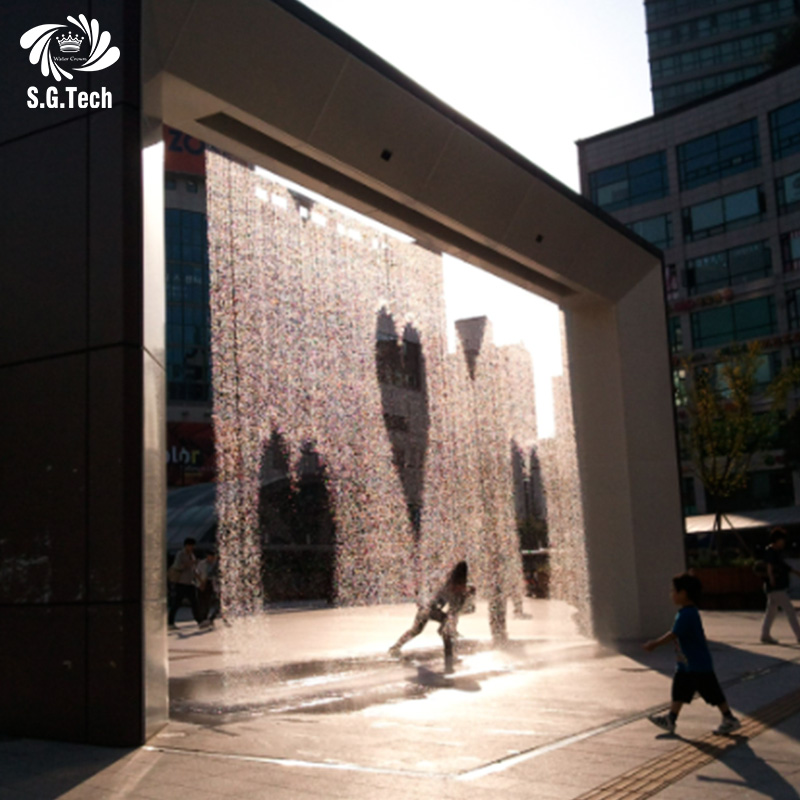
In modern commercial and public space design, water curtain systems are increasingly becoming innovative elements that attract attention and enhance environmental aesthetics. As a dynamic water feature, water curtains utilize precisely controlled water flow to create a visual effect resembling a curtain or screen, combining artistic appeal with environmental functionality. Their applications span widely, from shopping mall atriums and hotel lobbies to exhibition hall entrances and theme parks, where customized designs can create unique spatial atmospheres. Beyond mere decoration, these installations actively engage visitors through the soothing sound of falling water, the play of light on moving surfaces, and the tactile invitation to approach or even pass through the curtain. This multi‑sensory engagement transforms passive observation into interactive experience, making water curtains a powerful tool for place‑making and brand differentiation in competitive commercial environments.
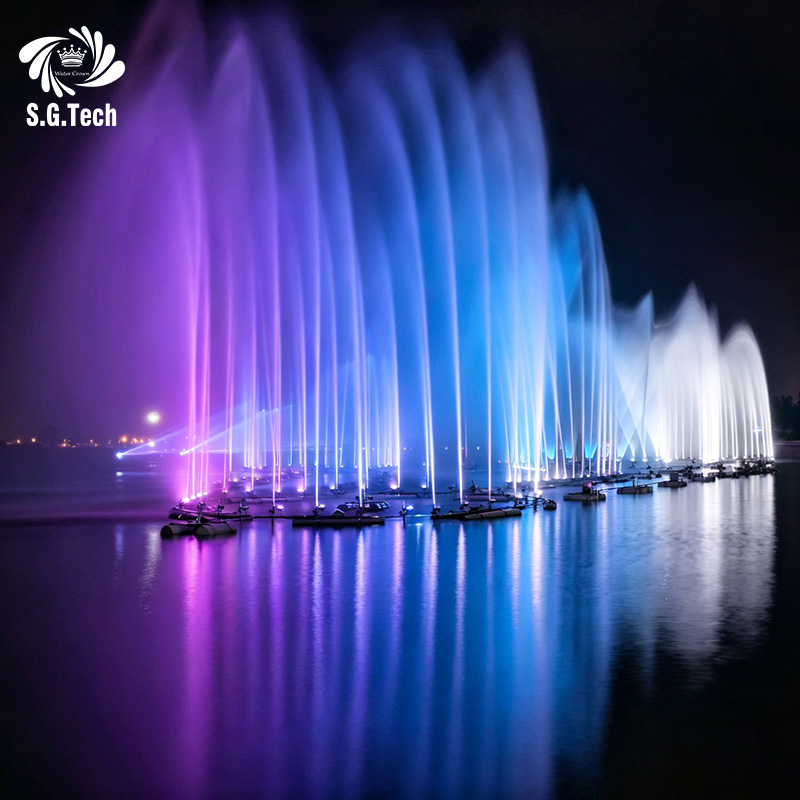
The core advantages of water curtain systems lie in their flexibility and sustainability. Through modular design, water curtains can adapt to spaces of different sizes and structures, enabling vertical or slanted installation to fit curved walls, freestanding columns, or overhead canopies. Water flow speed and density are adjustable, allowing for diverse effects ranging from delicate gauze‑like displays that shimmer with a fine mist, to majestic waterfall‑like presentations with roaring torrents that command attention. This adaptability is further enhanced by the availability of multiple nozzle types—including slot nozzles for uniform sheets, pin‑type jets for discrete streams, and oscillating heads for variable patterns—each offering distinct aesthetic and acoustic signatures. When integrated with lighting and projection technology, water curtains can transform into dynamic canvases, showcasing brand logos, artistic patterns, or interactive visuals that respond to passer‑by movements or sound cues. High‑brightness LED projectors, coupled with colour‑changing RGBW luminaires, can render millions of hues and animations, delivering a multi‑sensory immersive experience that captivates audiences and reinforces spatial identity.
Beyond visual appeal, water curtains also offer practical functions that contribute to occupant comfort and operational efficiency. The evaporative cooling effect inherent in falling water helps regulate local humidity and temperature, lowering ambient temperatures by 2–3°C in semi‑open or ventilated areas, thereby reducing the load on air‑conditioning systems during peak summer months. In dry climates, the added moisture alleviates respiratory discomfort and static electricity, improving indoor air quality. Recirculation systems ensure efficient water usage, with closed‑loop filtration and UV sterilisation minimising make‑up water to less than 3% of total volume per day, aligning with eco‑friendly principles and green building certifications. Low‑noise operation—achieved through vibration‑dampening mounts, optimised pump enclosures, and flow‑smoothing baffles—further enhances their suitability for both indoor and outdoor settings, even in noise‑sensitive environments like libraries, galleries, or luxury boutiques.
With continuous technological advancements, modern water curtain systems now incorporate smart sensing and automated management features. Proximity sensors, wind detectors, and humidity probes enable adaptive responses: for example, the curtain can reduce flow intensity during windy conditions to prevent drift, or increase flow during dry spells to maximise cooling. Users can adjust operational modes via remote terminals—smartphones, tablets, or central building management systems—optimising energy consumption by scheduling operation during peak footfall hours and pausing during low‑traffic periods. Automated self‑cleaning cycles, using periodic reverse flushing or wiper mechanisms, prevent nozzle clogging and scale buildup, simplifying maintenance and extending component life. Real‑time diagnostic alerts notify facility managers of pressure drops, filter saturation, or pump anomalies, allowing proactive intervention and minimising downtime.
The fusion of natural elements with intelligent technology is driving water curtains to become a key trend in future environmental design. As urban spaces become denser and more digitised, the demand for biophilic design—which reconnects people with nature—continues to rise, and water curtains offer a compact yet impactful way to introduce the calming presence of water into otherwise sterile built environments. Their low energy footprint, durable construction (using corrosion‑resistant 316L stainless steel, marine‑grade aluminium, and UV‑stabilised acrylic), and minimal maintenance requirements make them a cost‑effective long‑term investment. Case studies from recent projects show that strategically placed water curtains can increase dwell time in retail zones by up to 25% and boost social media engagement through visually shareable installations, generating significant marketing value.
Choosing a reliable water curtain solution not only infuses spaces with dynamic vitality but also reflects a commitment to innovative technology and sustainable design. From conceptual planning—including hydrological modelling, structural load analysis, and acoustic simulation—to installation and ongoing maintenance, professional teams provide comprehensive technical support, ensuring each water curtain landscape becomes a lasting and distinctive visual highlight. With ongoing research into energy‑harvesting turbines, AI‑driven pattern generation, and biodegradable materials, the evolution of water curtain technology promises even greater creative and ecological potential, making it an enduring asset for architects, developers, and brand owners alike. Whether used as a dramatic entrance statement, a serene internal partition, or an interactive public art piece, water curtains represent a sophisticated synthesis of art, engineering, and environmental stewardship—a choice that elevates both the aesthetic and functional quality of any contemporary space.
Innovative Water Curtain Technology: Redefining Aesthetics and Function in Commercial and Public Spaces
Reimagining Space Ambiance: Analysis of Modular Intelligent Fountain Applications in Commercial Settings